Water Ambulances & Marine Healthcare
Water Ambulances & Marine Healthcare
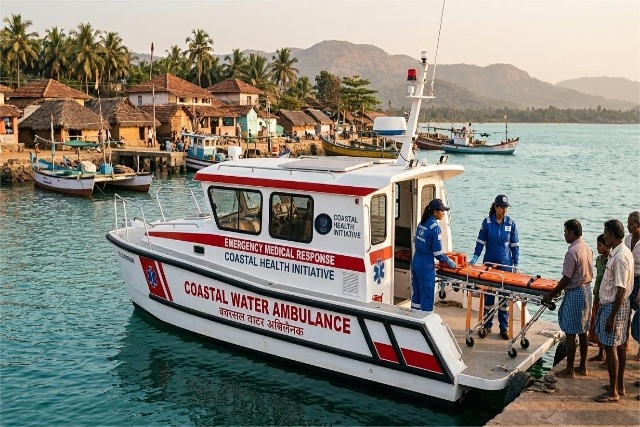
For 50 million Indians living in coastal villages and riverside communities, a medical emergency can be a death sentence. Help is too far away. Roads don’t reach the water. Ambulances can’t navigate fishing areas.
Our water ambulances change that. Floating emergency rooms that reach you within 30-45 minutes. Emergency care, telemedicine consultations, and safe transport to advanced facilities—all when you need it most.
Why Water Ambulances?
India has 7,500 kilometers of coastline. Countless rivers, backwaters, and inland waterways. Millions of people whose lives depend on these waters—fishermen, coastal villagers, riverside communities.
When someone has a heart attack on a fishing boat 20 kilometers offshore, what happens? When a child falls seriously ill on an island with no bridge to the mainland? When a pregnant woman goes into complicated labor in a riverside village?
Without water ambulances: They wait. They hope. Often, they don’t make it.
With water ambulances: Expert medical care arrives quickly. Lives are saved. Families stay whole.
What We Provide
Three Levels of Care
Emergency Medical Response
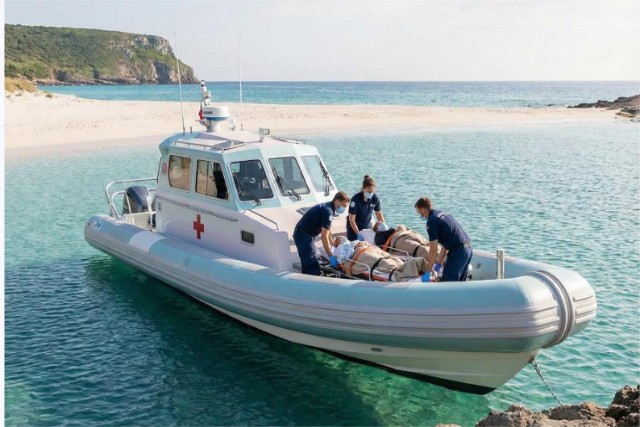
Rapid response to fishing accidents, cardiac events, strokes, trauma, and acute medical emergencies. Our vessels are equipped as floating emergency rooms with life-saving equipment and trained paramedics.
Telemedicine Integration
Satellite connectivity enables real-time video consultations with specialist physicians while en route to hospitals. Cardiologists can review ECGs. Emergency physicians can guide trauma care. Expert support when it matters most.
Preventive Healthcare
Regular health camps, disease screening programs, vaccinations, and chronic disease management for fishing villages and riverside communities. Healthcare that prevents emergencies before they happen.
Emergency Services
Critical Care on Water
Rapid Response Time 30-45 minute response to coastal emergencies. GPS-enabled dispatch system. 24/7 availability.
Life-Saving Equipment:
- Advanced cardiac monitors and defibrillators
- Oxygen therapy and ventilation support
- Trauma care and wound management
- IV fluids and emergency medications
- Patient monitoring systems
- Stretcher and transfer equipment
Trained Medical Teams: Every water ambulance is staffed by certified emergency medical technicians and paramedics. They’re trained in advanced life support, trauma care, and marine emergency response.
Safe Transport: Stabilize patients on-site, provide care during transport, and ensure safe handoff to hospital emergency departments.
Telemedicine Network
Distance from hospitals no longer means distance from expert care. Our satellite-enabled telemedicine system connects patients with specialist physicians in real-time.
How It Works:
On-Scene Assessment
Our paramedics assess the patient and collect vital signs, ECG readings, and visual information.
Specialist Connection
Within minutes, we connect via satellite to emergency physicians, cardiologists, or other specialists as needed.
Remote Diagnosis
Doctors review patient data, provide clinical guidance, and make critical care decisions while we’re en route.
Coordinated Handoff
Hospital emergency departments receive patient information before arrival, ensuring seamless transition of care.
Specialty Areas:
- Cardiology for heart attacks and arrhythmias
- Emergency medicine for trauma and acute conditions
- Obstetrics for pregnancy complications
- Pediatrics for child emergencies
- General medicine for diverse medical conditions
Preventive Care Programs
The best emergency is the one that never happens. Our water ambulances do more than respond to crises—they help prevent them.
Regular Health Camps
Scheduled visits to fishing villages and riverside communities. Free or subsidized health screenings, vaccinations, and health education.
Disease Screening:
- Diabetes and blood sugar testing
- Hypertension screening
- Cancer awareness and basic screening
- Infectious disease detection
- Nutritional assessments
Chronic Disease Management:
Many fishing communities have residents with diabetes, hypertension, or heart conditions who’ve never received proper management. We provide:
- Medication access and compliance support
- Lifestyle counseling
- Regular monitoring
- Referrals for advanced care when needed
Public Health Education:
- First aid training for fishermen
- Recognizing warning signs of heart attacks and strokes
- Maternal and child health education
- Hygiene and disease prevention
- Water safety
Who We Serve
Fishing Communities
Active fishermen working offshore and inshore waters. Families living in coastal villages. Processing and harbor workers.
Island Populations
Residents of inhabited islands with limited or no road connectivity to mainland medical facilities.
Riverside Villages
Communities along major rivers, backwaters, and inland waterways where water transport is faster than road access.
Marine Workers
Aquaculture workers, ferry operators, port workers, and others whose livelihoods depend on water.
Contact us for help?
Contact with us through our representative or submit a business inquiry online.
Cancer Treatment Centers
Mobile Diagnostic Labs
Water Ambulances & Marine Healthcare